
Published by the Hungarian Institute of International Affairs.
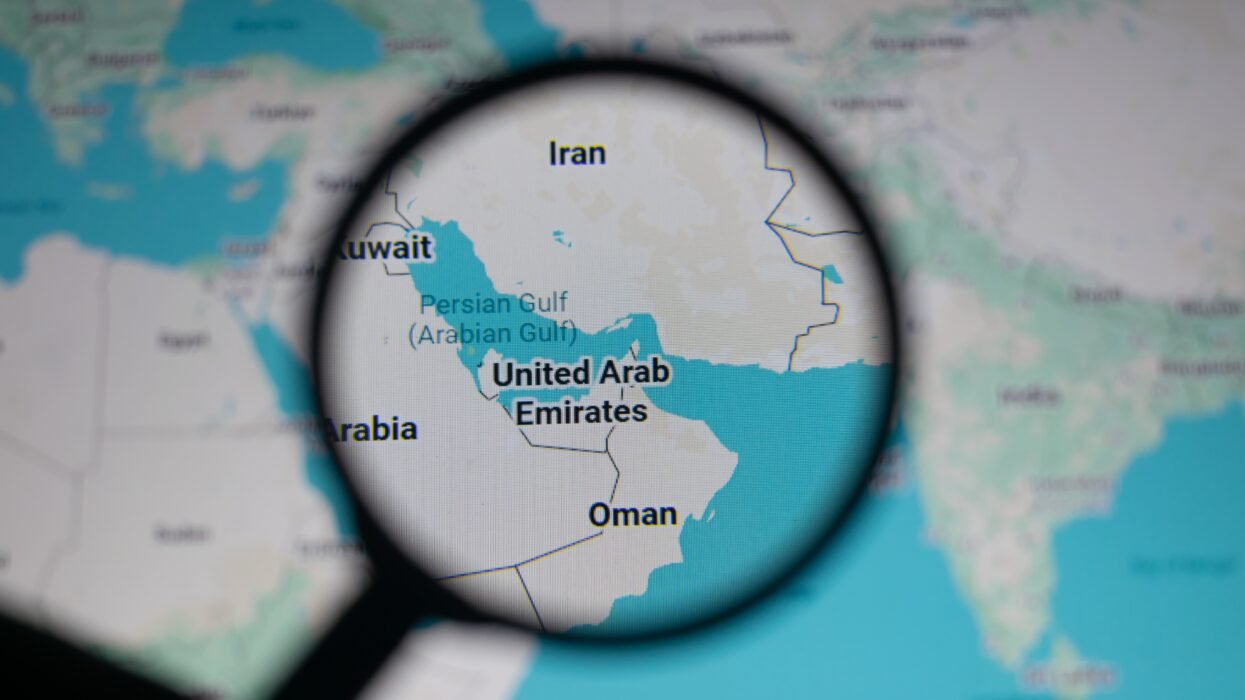
The Israeli and American intervention against Iran, launched on February 28, 2026, represents a turning point for the Gulf states’ foreign policy strategy developed over the past decades, which has centered on preserving stability, maintaining a degree of neutrality or non-alignment, and positioning themselves as international mediators. While U.S. actions against Iran advance a broader strategic agenda that could ultimately benefit the Gulf states, they must simultaneously manage the immediate consequences on the ground, some of which have been severe, especially on the economic front. Iranian missile and drone strikes have repeatedly hit the strategic and energy infrastructure of the United Arab Emirates, Bahrain, Oman, Qatar, Kuwait, and Saudi Arabia, and the effective closure of the Strait of Hormuz presents further challenges. So far, the states have demonstrated notable restraint, keeping their responses largely defensive rather than offensive and avoiding further escalation. The crucial questions going forward are whether they will join the war as active participants, how they will manage the economic fallout, what the future of their relationships with Iran, Israel, and the United States will look like, and whether the war will strengthen intra-GCC cooperation.