
Published by the Hungarian Institute of International Affairs.
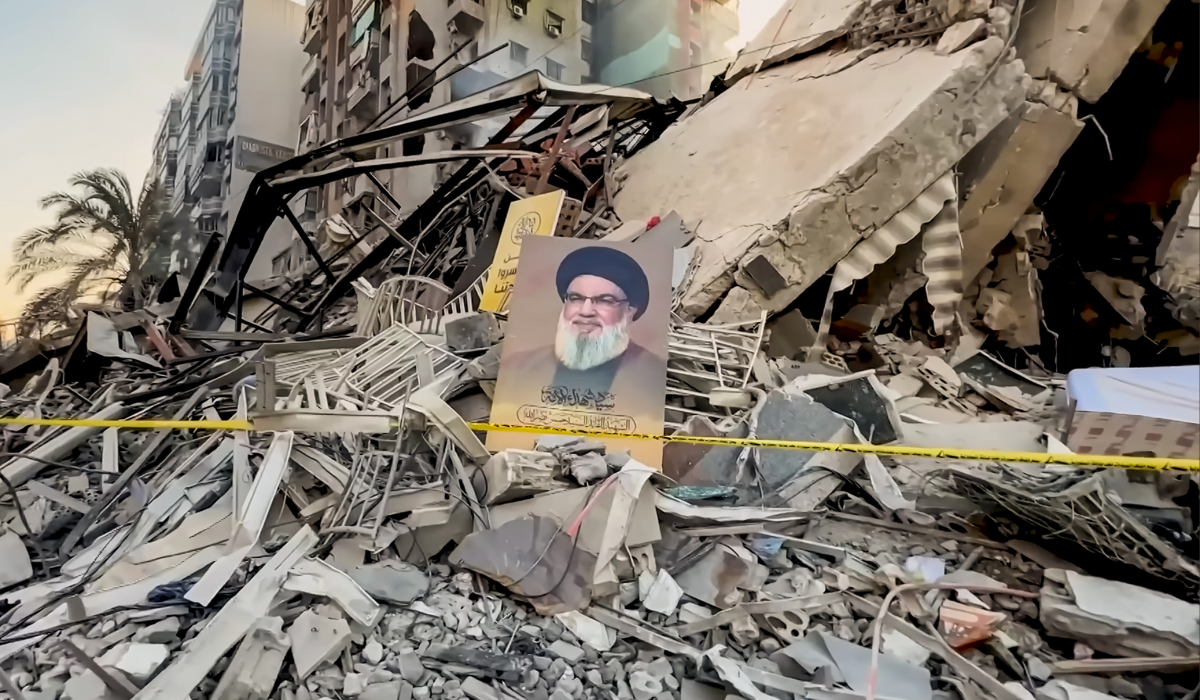
The latest escalation in Lebanon is unfolding in the shadow of a much larger regional war, but its trajectory will shape stability across the Levant, with ripple effects that could reach Europe and beyond. In response to the assassination of Iranian Supreme Leader Ali Khameini, Hezbollah, a Lebanese proxy of the Iranian regime, renewed its cross-border attacks against Israel in early March after nearly a year of relative calm. Hezbollah’s attacks were met with a decisive Israeli military response, which has plunged Lebanon back into crisis, with more than a thousand dead, almost five thousand injured, more than one million displaced, and severe disruptions to essential services. Even though a ceasefire was reached in the Persian Gulf on Tuesday night, fighting continues on the Lebanese front, and Wednesday was the deadliest day yet with more than 250 deaths. The events unfolding are a symptom of a longstanding problem: For decades, a weak Lebanese state has failed to disarm Hezbollah and monopolize the use of force, which has perpetuated instability. Beirut’s swift move to ban Hezbollah’s military activities on March 2 and pursue accountability are at best too little, too late. The government’s unprecedented decision to pursue direct negotiations with Israel, however, could reshape the strategic logic sustaining the status quo, even though there is little momentum at present. For now, the fighting will continue until Hezbollah’s capabilities are sufficiently weakened, as neither side has strong incentives to settle, but eventually there will be a window of opportunity for decisive action, and Europe may have a role to play.